
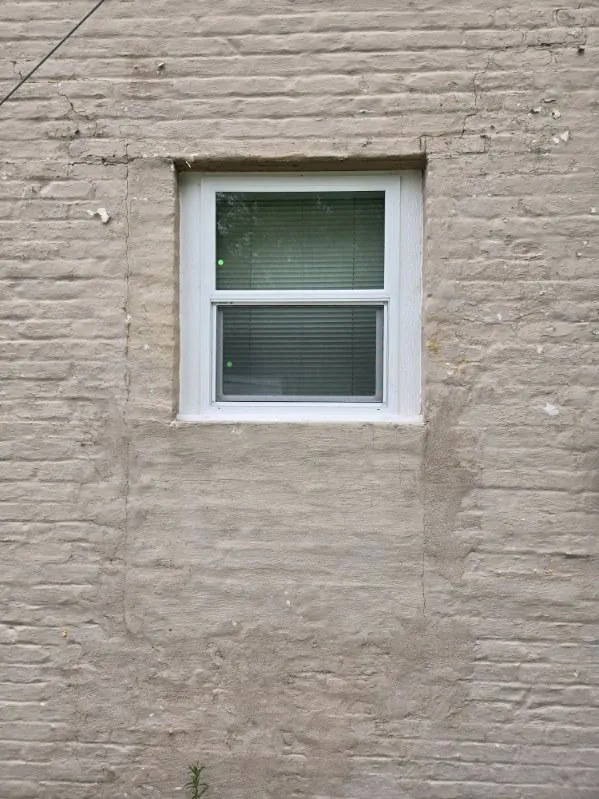
Condensation on the inside of windows in winter usually means indoor air is holding more moisture than the cold glass can handle. A little fog at the bottom corners on the coldest mornings is common, but water that runs down the glass, puddles on the sill or returns every day is a sign to lower indoor humidity and look closer. Black spots on the sill or frame, or fog trapped between the panes, point to bigger problems.
Is condensation on the inside of windows normal in winter?
Some is. Warm indoor air carries water vapor. When it touches a surface colder than its dew point, the vapor turns back into water, the same way a cold glass of water sweats on a summer day. In a Northern Indiana winter, the glass is often the coldest surface in the room, so that is where moisture shows up first.
The EPA puts it plainly: condensation is a sign of high indoor humidity, and the guide advises drying the wet surface promptly and reducing the moisture source.
A rough way to judge what you are seeing:
- Usually fine: light fog along the bottom edge on very cold mornings that clears by midday.
- Worth fixing: water running down the glass, wet sills, or fog on most windows most days.
- Needs attention now: peeling paint, soft or dark wood, black or green spots, or a musty smell near the window.
What indoor humidity should I aim for in winter?
The EPA recommends keeping indoor relative humidity below 60 percent, ideally between 30 and 50 percent. An inexpensive hygrometer lets you check the number instead of guessing. On very cold days, many homes see less window condensation when humidity stays toward the lower end of that range.
Ways to bring humidity down:
- Run bathroom exhaust fans during showers and for a while afterward.
- Use the range hood when cooking, especially when boiling water.
- Check that the clothes dryer vents outdoors and the duct is connected.
- Turn down or shut off a humidifier, including one attached to the furnace.
- Open blinds and curtains during the day so room air can reach the glass and warm it.
- Look for hidden moisture sources such as a damp basement or crawl space.
Why is there fog between the panes of glass?
Moisture you cannot wipe off because it sits between the two panes is a different problem. Double and triple pane windows are built as sealed units. When that seal fails, humid air gets into the space between the panes and fogs up as temperatures change.
Lowering your indoor humidity will not fix this. The window has lost much of its insulating value, and the fog usually gets worse over time. Depending on the window, the fix may be replacing the glass unit or the whole window. Our guide to whether you should repair or replace your windows walks through how to decide.
What do black spots on the window sill mean?
Black, gray or green spotting on sills, frames or the caulk around the glass is often mold growing where condensation sits day after day. Wood sills can soften and rot, and the moisture can work down into the wall below the window.
Small areas can usually be handled by a homeowner. The EPA guide says you can generally clean a moldy area of about 10 square feet yourself, and that larger areas, or areas with significant water damage, call for an experienced professional. Whatever the size, the mold will return unless the moisture problem is fixed. Our article on finding the moisture source behind mold explains why that step comes first.
Many older homes in the area have original wood windows with worn glazing and gaps that let cold air chill the frame, which makes condensation and mold more likely along the sill.
When does window sweating mean it is time to replace?
Condensation on its own does not mean you need new windows. If humidity is in a healthy range and the windows still sweat heavily, the window itself may be part of the problem. Consider replacement when you see:
- Fog or film between the panes that never clears
- Rotted sills or frames, or sashes that no longer close tightly
- Drafts you can feel around the frame on windy days
- Heavy condensation on single pane glass even with humidity under control
The Department of Energy’s consumer guide to energy efficient windows notes that modern windows use spacers that help prevent condensation, and that a lower U-factor means the window insulates better. The same guide warns that even very efficient windows can lead to drafts and moisture condensation if they are not installed properly, and that homes built before 1978 may contain lead paint, which matters during any window work. It also recommends insulating and air sealing the home before replacing windows. You can read more about the benefits of energy efficient windows and doors in our earlier post.
When to call a professional
Call for help if you see fog between the panes, soft or rotted wood, mold that keeps coming back, or water stains on the wall below a window. Those signs suggest moisture is getting into the window or the wall, not just landing on the glass.
B&E Home Renovations installs and replaces windows and doors and also provides mold remediation with HEPA air scrubbing. If mold has spread beyond a small spot, our page on emergency air scrubbing explains how we contain and clean the air during the work. Estimates are free, and our work is licensed, insured and backed by a lifetime warranty.
Questions homeowners ask
Should I open a window to stop condensation?
Brief airing out can help after cooking or showers, but the lasting fix is controlling moisture at its source with exhaust fans and keeping indoor humidity between 30 and 50 percent.
Can I fix fog between the panes myself?
Not in a lasting way. A failed seal means the sealed glass unit has lost its insulating value. The usual fix is replacing the glass unit or the window.
Is a little mold on the window sill dangerous?
Mold can affect people with allergies or asthma. Clean small spots promptly, dry the area, and fix the moisture cause. Larger or recurring growth calls for a professional.
If your windows sweat no matter what you try, or you are seeing mold or fog between the panes, we can help you sort out the cause. Request a free estimate or call (574) 413-8702. We work with homeowners in Osceola, Granger, South Bend, Elkhart, Notre Dame and Mishawaka.