
When you think about home value, square footage is often the first thing to come to mind. However, there is one powerful factor that is often overlooked: color. From exterior siding to kitchen cabinets, the colors you choose play a major role in curb appeal, buyer perception, and overall design impact.
Why Color Choices Matter in Home Design
Color is one of the first things people notice when they step into a home, or even when they drive by. It sets the mood, frames the style, and communicates how well the property is maintained. Color affects how a room feels and can shape a buyer’s first impression. A clean, coordinated palette may help a buyer picture how the space could work for them, but preferences and resale effects vary by property and market.
In short, the colors you choose can either invite buyers in or push them away.
The Psychology of Color in Home Design
Color psychology plays a big role in how we perceive spaces. Neutral colors, such as whites, greys, and beiges, are a safe and versatile choice, appealing to a wide range of homebuyers. This kind of color palette can help buyers feel like the home is already theirs.
Similarly, warm tones, including earthy browns and greys, create cozy and welcoming spaces; however, too much of these warm tones can make a home feel dated. Alternatively, cool tones, like light blues and greens, are associated with calmness and cleanliness, lending well to bathrooms and kitchens. Cool tones can feel calm and clean in a bathroom or kitchen, but the right choice depends on the room, lighting, surrounding finishes, and homeowner preference.
Understanding the emotional response to color helps homeowners make choices that not only reflect personal style but also add market appeal.
Exterior Colors That Boost Curb Appeal
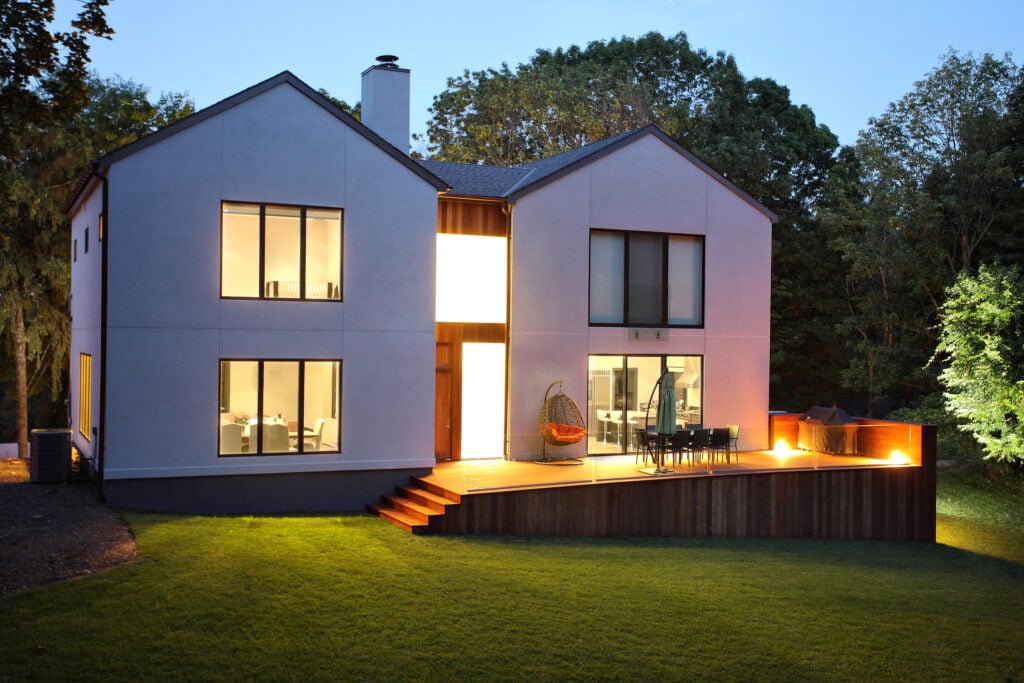
Your home’s exterior is its first impression, and siding and paint colors can make or break curb appeal. Grays, taupes, and crisp whites are timeless choices that make homes feel fresh and modern. As a bonus, these colors are typically approved for most HOAs. Dark accents on trim or doors are also a popular choice that creates a sophisticated look.
On the flip side, colors that are too bold and unusual (think neon green or bright purple) can drive buyers away. While they may reflect personality, they often limit a home’s appeal to a broader market.
Interior Colors That Add Value
When it comes to interiors, color trends change, but certain choices remain consistently appealing to buyers.
Kitchens
White and cream remain the most popular kitchen colors, often paired with light grays or soft blues. These shades make kitchens feel bright, clean, and timeless.
Bathrooms
Crisp whites and spa-inspired tones like pale blue or sage green create a fresh, relaxing feel. These shades can create a calm, clean appearance when they fit the room and lighting.
Living Areas
Warm neutrals, greige, and earthy tones make living rooms and dining spaces inviting while still versatile enough for new owners to add their own touches.
Bedrooms
Soft, cool tones like light blue, lavender-gray, or pale green often perform well, creating calm spaces that buyers associate with rest.
Overly dark or bold interior colors can reduce appeal by making rooms feel smaller or dated, and they may signal extra work to repaint for resale.
Paint may be less disruptive than many structural updates, but cost and resale effects vary. Choose colors around the existing materials, natural light, maintenance needs, and how long you expect to use the space.
Choosing Colors for Your Project
Color can affect appearance, light, maintenance, and buyer preference, but resale results vary by property and market. Painting is not advertised as a primary B&E service. Color decisions that are part of a confirmed renovation scope can be discussed during the estimate.