
Energy related improvements can affect comfort and utility use, but results depend on the home, climate, products, installation, and household behavior. Start with the home’s current condition and the problems you want to solve before choosing products.
Why Energy Efficiency Matters More Than Ever
The U.S. Department of Energy recommends beginning with a home energy evaluation so air sealing, insulation, windows, doors, equipment, and household priorities can be considered together.
Energy-efficient renovations help:
- Reduce monthly bills
- Improve indoor comfort throughout the year
- Minimize your environmental footprint
- Increase the value of your home to future buyers
A measured plan can help prioritize improvements that fit the home and the available budget. Savings and indoor environmental results should not be assumed without evaluating the specific work.
High-Impact, Energy-Saving Renovation Ideas
Depending on the home, an evaluation may identify opportunities such as:
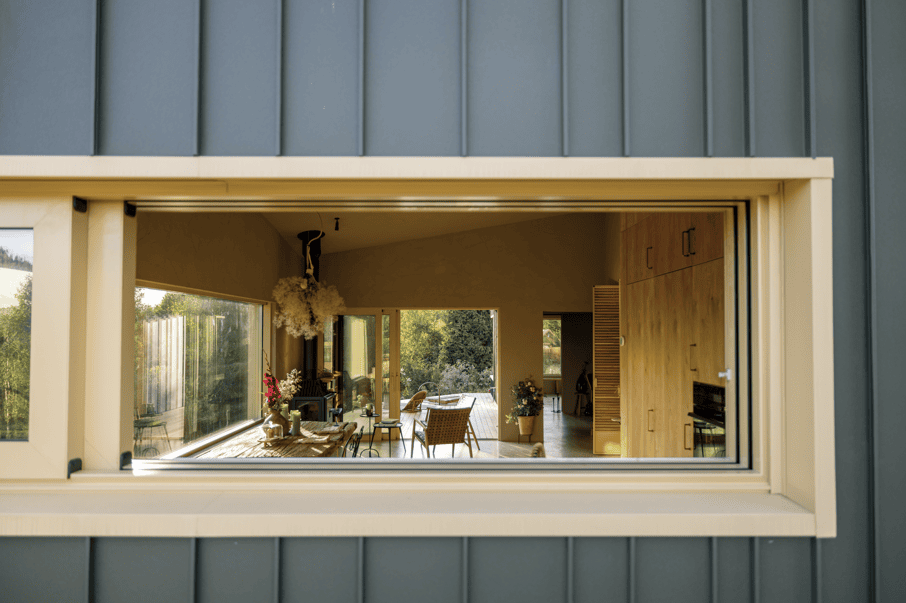
- Upgrade to Energy Saving Windows & Doors: Modern windows can reduce drafts and heat loss while allowing natural light. Look for models with two or three panes and low emissivity coatings.
- Add or Improve Insulation: Insulating attics, crawlspaces, garages, or basement walls helps regulate temperature and reduce strain on your HVAC system.
- Evaluate Heating and Cooling Equipment: A qualified HVAC professional can assess equipment condition, sizing, controls, ductwork, and replacement options.
- Install Smart Thermostats & Lighting: Automate when your home uses energy, saving money without sacrificing comfort.
Kitchen & Bathroom Upgrades That Save Energy
Kitchens and bathrooms may be the most used rooms in the house, and often the biggest energy and water wasters. Luckily, there are simple, stylish upgrades that make a significant impact:
- Install Energy Star Appliances: New dishwashers, fridges, and microwaves use less power and water.
- Use LED Lighting: Compare fixture output, color temperature, dimming, controls, and the lighting needed for kitchen tasks or bathroom vanities.
- Choose Water-Saving Fixtures: Low-flow faucets and showerheads reduce water use without compromising pressure.
- Evaluate Radiant Floor Heating: In a bathroom, compare comfort goals, floor assembly, controls, installation needs, and projected energy use before selecting a system.
Small Fixes That Add Up Over Time
Even smaller changes can lead to measurable savings:
- Seal Air Leaks: Gaps around windows, doors, and baseboards let your conditioned air escape. Caulking and weatherstripping help lock in comfort.
- Add Door Sweeps & Insulated Covers: These changes can reduce drafts and help keep your HVAC system from working harder than needed.
- Go Tankless: Tankless water heaters heat water on demand, eliminating the standby energy losses of traditional systems.
These quick-win projects can often be bundled with larger renovations for even greater savings.
How much can you really save?
Savings cannot be predicted from a list alone. Compare the existing condition, measured performance, climate, product ratings, installation details, and household use.
- For windows, compare U-factor and solar heat gain coefficient using the U.S. Department of Energy window guidance.
- Evaluate insulation together with air sealing, moisture, ventilation, and the existing assembly.
- For certified products, review the current ENERGY STAR product criteria for the specific appliance or building product.
Actual energy use and resale effects vary. Document the product, installation, and expected use rather than assuming one result.
Work With a Renovation Partner Who Understands Efficiency
Energy performance depends on how the home, products, installation, climate, and household use work together. B&E can review energy related goals that are part of an agreed renovation scope.
Discuss Energy Related Project Goals
B&E can review energy related goals that are part of a confirmed renovation project. Results vary by the home, product, installation, climate, and household use.
Request an estimate to discuss the home and requested work.