
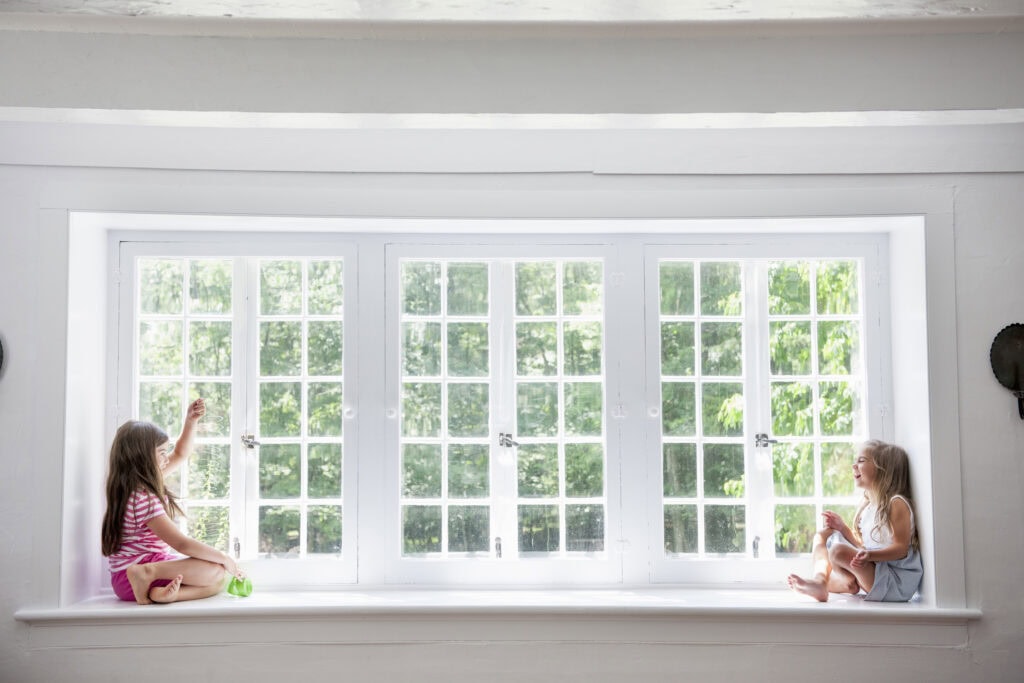
Replacing older windows or doors may affect drafts, comfort, noise, maintenance, and energy use. Results depend on the existing home, product, installation, climate, and household use. Here are factors to compare before choosing an update.
Lower Utility Bills Year-Round
Homeowners know that heating and cooling expenses can quickly add up, especially in summer and winter. Outdated, broken windows and doors let air escape and let air in, forcing your heating and cooling systems to work overtime.
Models designed for energy efficiency may use multiple panes of glass, low emissivity coatings, insulated frames, and tight seals. Together, these features can reduce heat loss in winter and heat gain in summer.
ENERGY STAR reports up to 13 percent average savings on heating and cooling bills nationwide when certified windows replace single pane windows. Results vary with the existing windows, climate, product ratings, installation, and household use.
Enhanced Comfort in Every Season
Drafts and sunny spots can make some rooms in your home unbearable during winter or summer. Energy-efficient windows and doors minimize air leakage and heat transfer, keeping your home at a more consistent temperature throughout the year.
That means:
- A cozier living room in January.
- A cooler bedroom in August.
- Fewer battles over the thermostat.
This consistency improves the livability and functionality of your whole home!
Appearance and Resale Considerations
Buyer preferences and resale effects vary by property and market. New windows and doors can also change the exterior appearance of the home. Whether you’re going for a sleek, modern look or a classic style, today’s energy saving options come in various finishes, trims, and configurations to match your aesthetic.
A Quieter, More Peaceful Home
Living in a busy neighborhood can mean extra street noise at all hours of the day. Energy-efficient windows not only keep out hot and cold air, but they can also keep out these bustling noises. Thicker glass and better sealing contribute to a major reduction in outside noise.
Protection from UV Damage
UV rays from the sun can quickly fade flooring, furniture, and artwork. So if you like having your curtains open, energy saving windows are the right move for you. These windows feature a UV-blocking coating to protect your interior spaces from sun damage.
Eco-Friendly Living with a Smaller Carbon Footprint
Saving energy doesn’t just help your wallet. It also helps the planet. When your home is better insulated, your HVAC system doesn’t need to work as hard, even in harsh weather conditions. This can greatly reduce your household’s greenhouse gas emissions.
Material sourcing, product lifespan, energy performance, and disposal options can all be considered when comparing products.
Potential Rebates and Incentives
As a bonus, many state, federal, and local programs reward homeowners for switching to lower impact alternatives. This may include rebates, tax credits, or other incentives.
How to Choose the Right Energy Saving Windows and Doors
Here are a few key terms to know:
- U factor: Measures how well a window prevents heat from escaping. Lower = better insulation.
- Solar Heat Gain Coefficient (SHGC): Indicates how much solar heat the window allows in. Lower = less heat gain.
- low emissivity Coatings: Microscopic metal layers that reflect heat and UV rays without blocking light.
Compare these features against the home’s orientation, existing openings, style, and local climate.
Ready to upgrade?
B&E can review window and door options that fit the home and its energy goals. Product, installation, trade, and availability details are confirmed during the estimate.
Request an estimate to discuss the existing openings and requested work.