
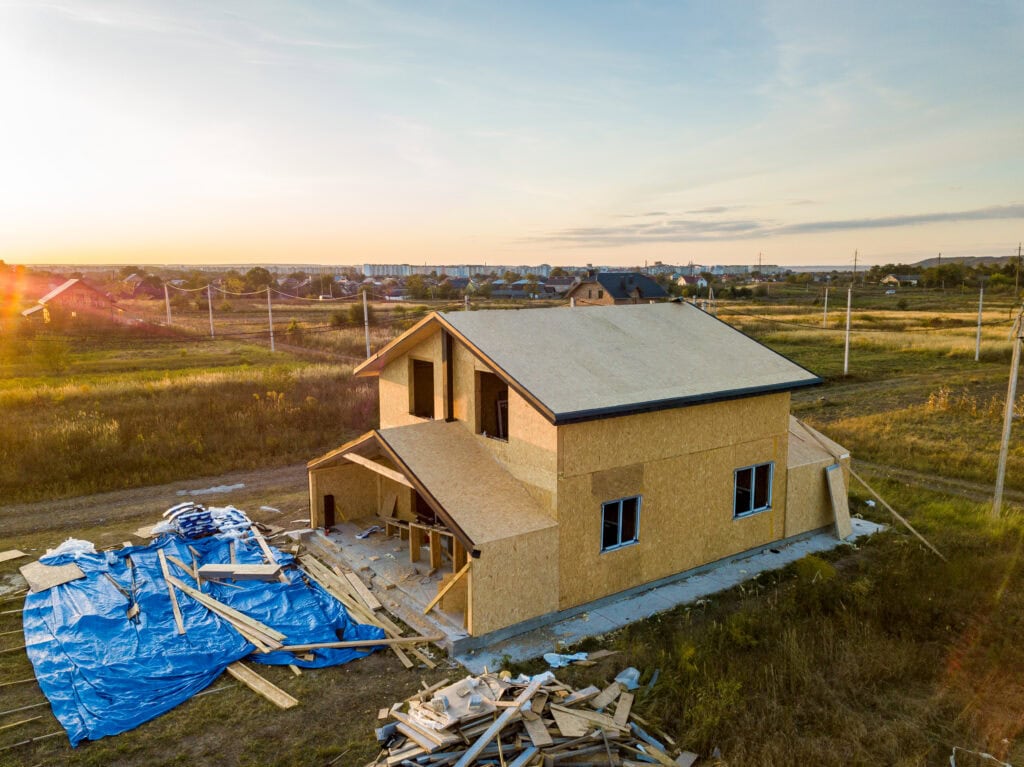
Expanding your home is a major investment that can add additional functionality and value to your house. Homeowners looking to expand their home face a critical decision: opting for a custom extension or choosing prefabricated additions. Each approach offers distinct advantages and challenges, and understanding these differences can help you make the right choice for your home.
Understanding Custom and Prefabricated Additions
A custom addition is constructed at the property, at your home, and is tailored specifically to your home’s design and your personal preferences. This allows you to work closely with architects and builders to create an extension planned around the existing home and requested use.
Prefabricated additions are pre-made and away from the property in modules. These modules are then brought to your home and assembled, which can be faster than a custom build.
Advantages of Custom Additions
Choosing a custom addition offers homeowners numerous benefits, including:
Personalization and Design Flexibility
With a custom addition, you get to choose every aspect of the build. From materials to layout to features, you can ensure that the addition perfectly aligns with your vision, style, and existing home.
Integration With the Existing Home
Custom additions allow material, layout, and connection details to be planned around the existing home. This integration is particularly important in preserving the character and style of older or uniquely designed homes.
Material and Construction Decisions
Since you have more control over the materials, you have greater control over the quality of the build. Working closely with architects and builders, homeowners can ensure a durable, well-constructed addition.
Considerations for Custom Additions
Despite its many benefits, custom additions do have some downsides.
Longer Construction Timeline
A custom addition is likely going to take longer. The process involves detailed planning, organizing materials, obtaining permits, and at the property construction. All of these steps can significantly prolong the project and potentially disrupt your daily life.
Higher Costs
This may be obvious, but a custom build comes with a high price tag. Bespoke designs and premium materials can cause the cost to skyrocket.
Advantages of Prefabricated Additions
Prefabricated additions also offer numerous benefits to homeowners.
Cost-Effectiveness
A pre-made, module addition is generally more affordable than a custom build. The factory production process allows for bulk purchasing of materials and streamlined construction, resulting in cost savings that are passed on to the homeowner.
Faster Construction and Installation
Prefab modules are built away from the property at the same time as site preparation, leading to a shorter construction time. Once the prefab module is on site, assembly is pretty quick, minimizing the disruption to your household.
Environmental Benefits
The controlled environment of prefabricated addition construction often leads to efficient material use, since builders already know exactly how much material the build needs.
Considerations for Prefabricated Additions
Similar to custom builds, prefabricated additions also come with some challenges and things to keep in mind.
Limited Customization
While the modular nature of these additions leaves room for some flexibility, prefab additions do not offer the high degree of customization like custom builds.
Integration Challenges
If you’re looking for a seamless integration into your existing home, a prefab addition may not be the choice for you. Differences in materials and architectural styles can cause some prefab additions to look out of place in certain homes.
Making the Right Choice for Your Home
The choice between a custom and prefabricated addition depends on several factors, including your budget, long-term needs, and timeline. Use the following steps to make the right choice for your home:
- Assess Your Needs: Determine the primary purpose of the addition and the features that are most important to you.
- Set a Realistic Budget: Understand the financial implications of each option and establish a budget that aligns with your financial situation.
- Consult with Professionals: Engage with experienced contractors and architects to explore the feasibility of both options and gain insights into what would work best for your specific circumstances.
- Evaluate Long-Term Value: Consider how each type of addition may impact your home’s resale value and whether the investment aligns with your future plans.
Discuss an Addition
B&E plans additions around the agreed use, scope, and existing home. The construction method, design responsibilities, permit responsibilities, materials, and current availability are confirmed for each project. Request an estimate to discuss the property and requested work.